Description
Pure topaz is colourless: impurities in its structure give it colour. Pleochroic, it changes shade depending on the viewing angle.
Its palette is wide: colourless, yellow, orange, red, pink, blue, green, violet, often several colours in one stone.
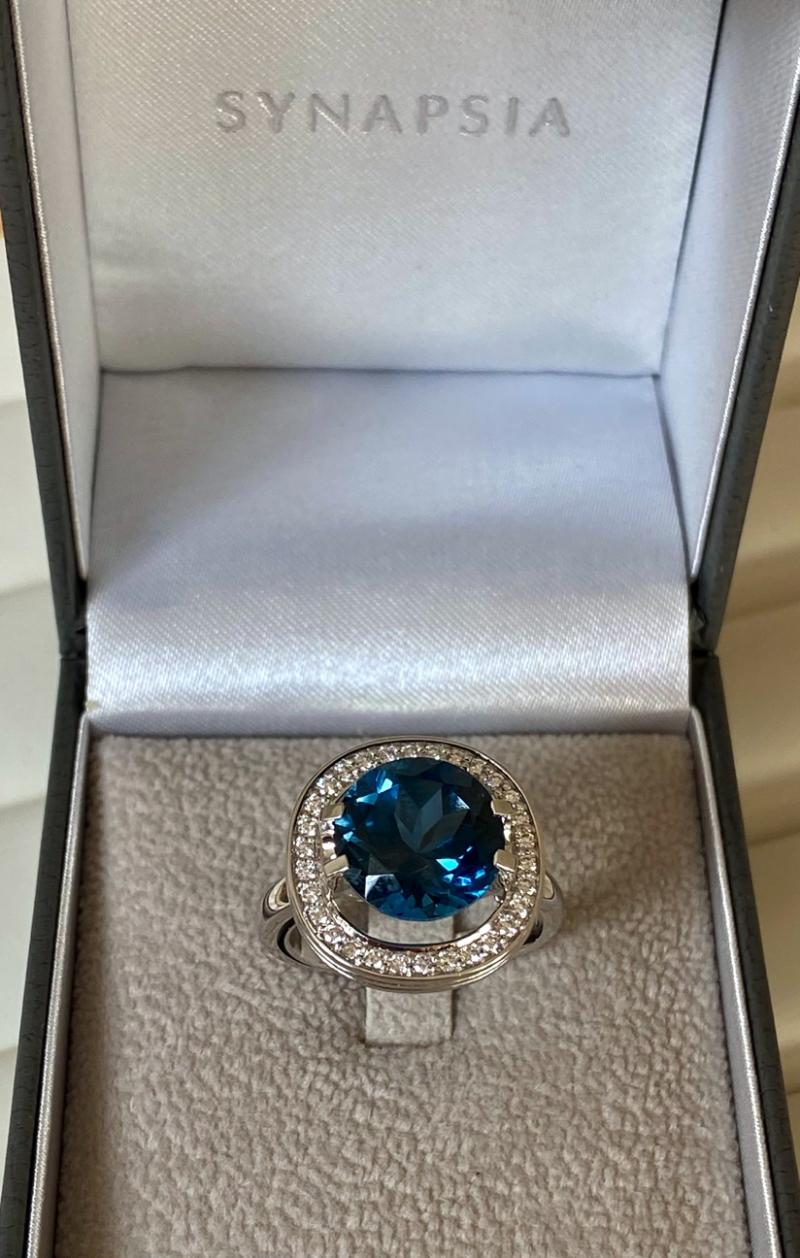
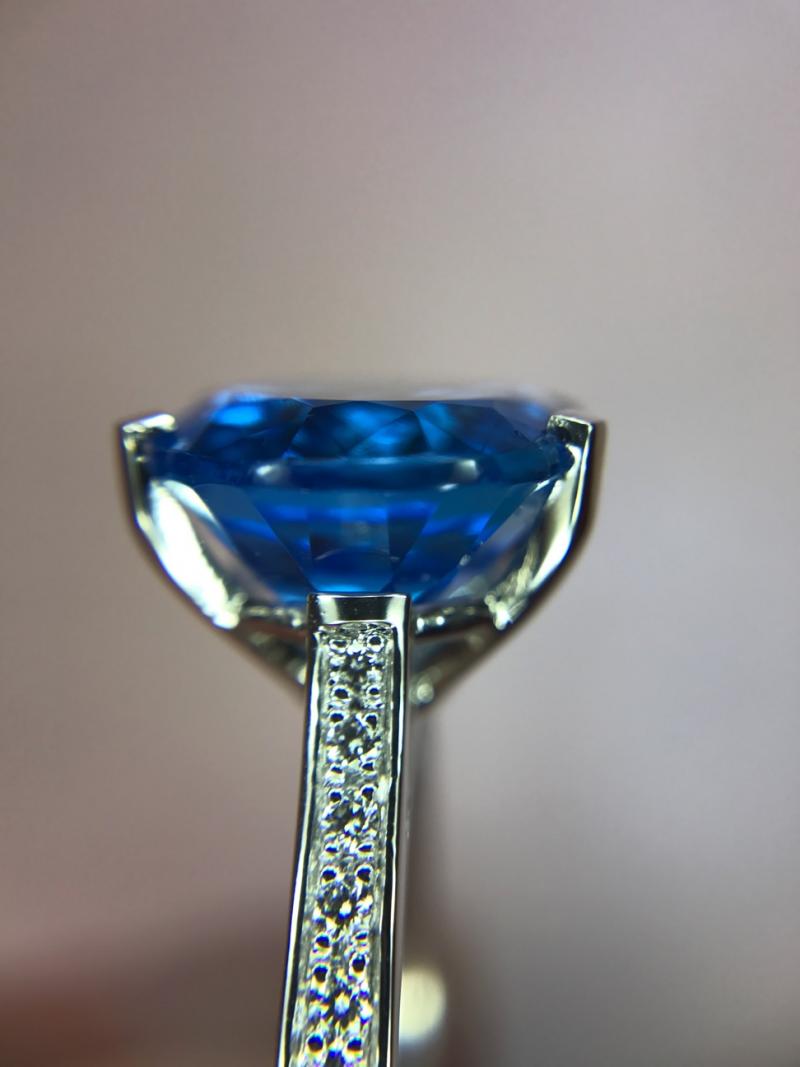
“London Blue” topaz, widely used in jewelry, is almost never found naturally: it is produced by irradiating colourless topaz.
MEANING and history
Known since Antiquity, it is mentioned by Pliny the Elder and in the Bible. Its name may come from the Sanskrit tapas, “fire”, and the Greek topazios, the name of a Red Sea island that actually supplied peridot. The Egyptians believed it took its colour from the golden glow of Ra, the sun god; the Romans linked it to Jupiter. In ancient Greece, it was thought to increase strength and make its owner invisible.
OriginS
Brazil is the leading producer. Topaz is also found in Russia, Afghanistan, Sri Lanka, the Czech Republic, Germany, Norway, Pakistan, Italy, Sweden, Japan, Mexico, Australia, Nigeria, the United States, Zimbabwe and Cambodia.
Virtues
Traditionally, topaz is a stone of trust and protection, said to dispel negativity and nervous tension.
Hardness & Care
An aluminium fluorosilicate, topaz has a hardness of 8 on the Mohs scale. But beware: because of its cleavage, a knock can split it clean. Clean with an old toothbrush, soap and warm water; no ultrasonic cleaning.
The ideal metal
White gold and platinum showcase it and maximise its brilliance.