Description
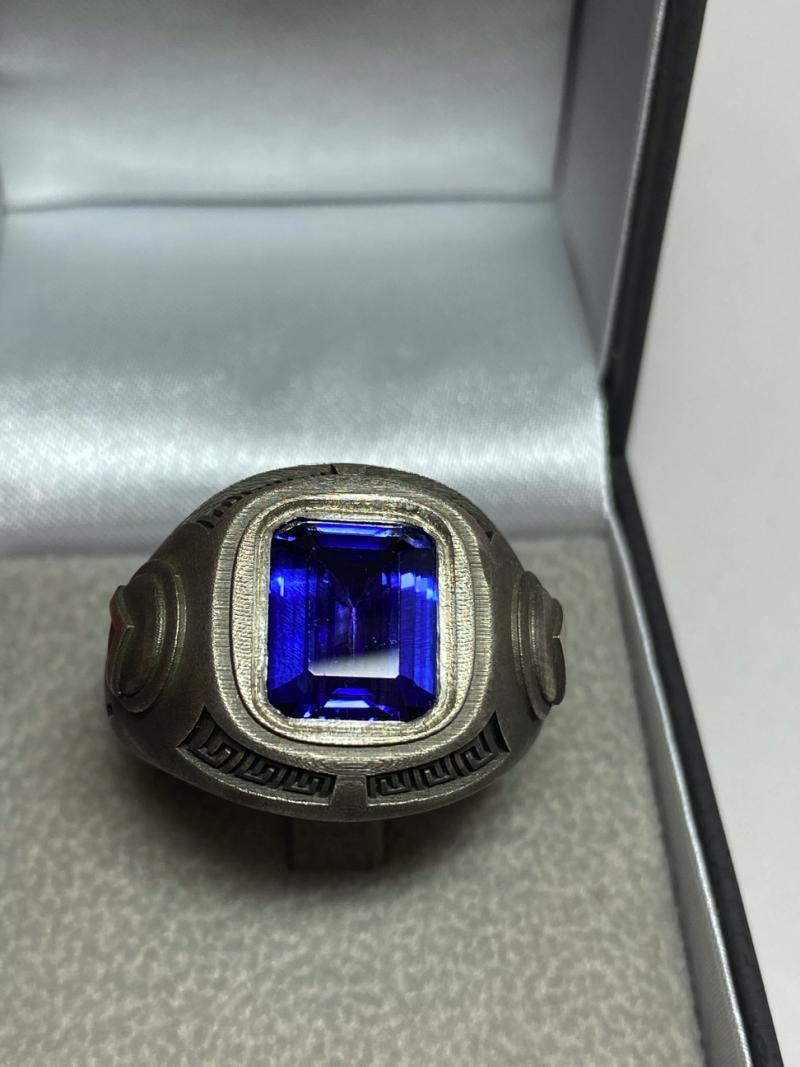
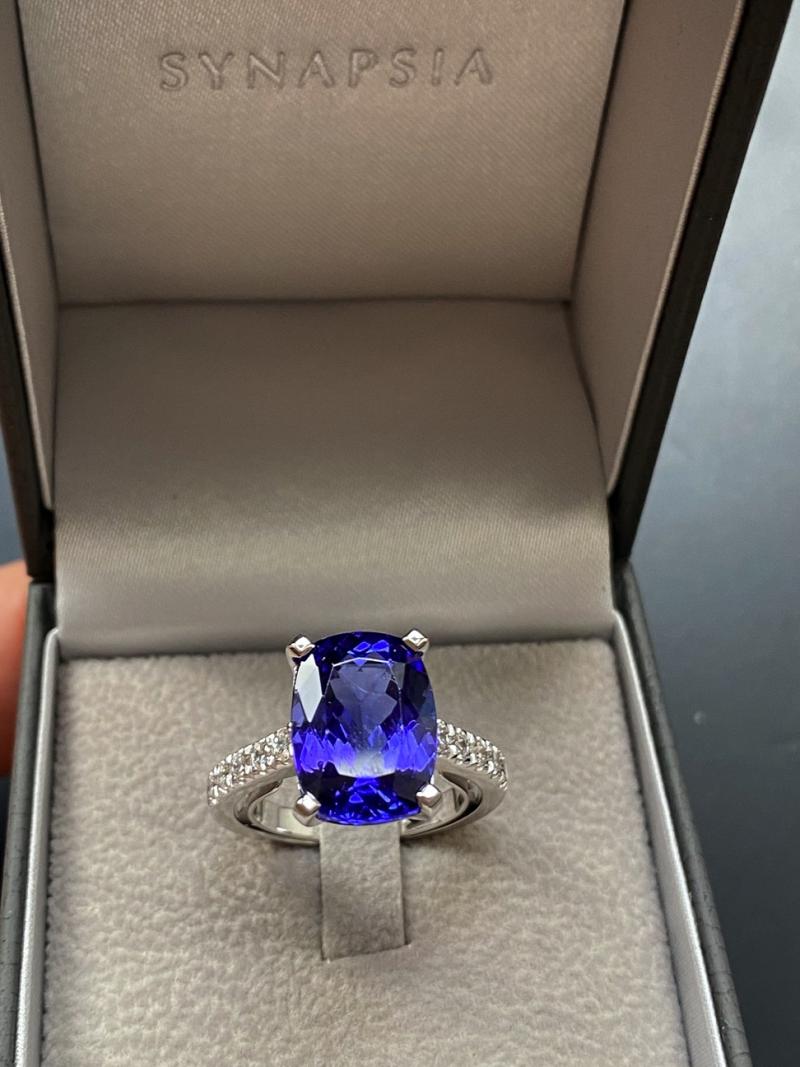
The birthstone of December is Tanzanite.
The violet-blue variety of zoisite, tanzanite formed millions of years ago through metamorphism. In the rough, it appears as striated prisms in gneiss veins. It was only discovered in 1967, in the Merelani Hills of Tanzania. Analysis revealed a previously unknown variety of zoisite, which Tiffany & Co. named “tanzanite” in 1968. With a single, very small deposit, demand exceeds supply and its price tends to rise.
MEANING and history
Legend has it that storms set bushfires on the Merelani Hills, near Kilimanjaro. When the herders returned, they found greyish-brown pebbles transformed by the heat into stunning blue gems. Blue is sacred to the Maasai. Even today, most tanzanite is heated to reveal its violet-blue colour.
Hardness & Care
6.5 on the Mohs scale: relatively fragile, so take care when wearing it in a ring. Clean with an old toothbrush, soap and warm water; no ultrasonic, steam or sudden temperature changes.
The ideal metal
It suits warm and cool tones alike: white, rose or yellow gold, or platinum.
OriginS
Only in Tanzania, in the Merelani Hills: still the only place in the world where it is mined.
Virtues
Traditionally, tanzanite symbolises happiness and prosperity. It is said to stimulate imagination and creativity, making it an ally of artists, writers and musicians, as well as memory and intellectual curiosity. It is also associated with spiritual growth.