Description
Affordable and untreated, peridot appeals to lovers of natural beauty. It is the gem variety of olivine; its name is thought to come from the Arabic faridat, “gem”. It is usually olive green with a yellow hint; the finest stones show a pure, medium-dark green.
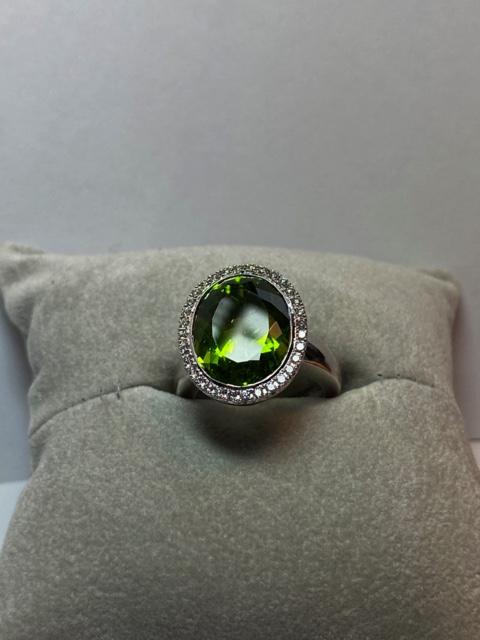
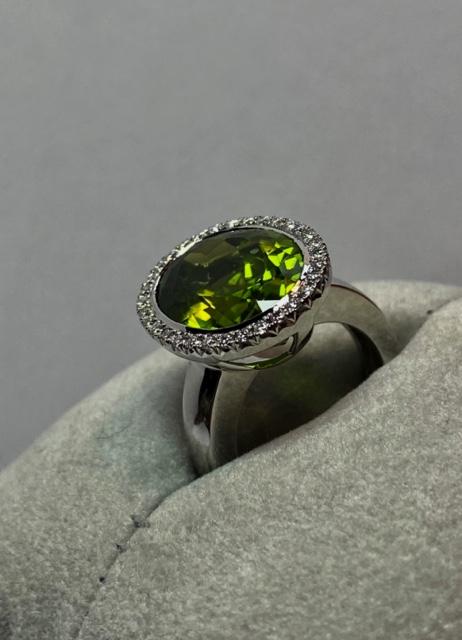
MEANING and history
Its story begins in Egypt, where it was mined as early as 1500 BC on the island of Zabargad. The Egyptians called it “the gem of the sun”; it is still unclear whether the green stone Cleopatra loved was emerald or peridot. Indian astrology links peridot and emerald to Mercury, and its olive colour made it a popular talisman for Mediterranean merchants. “Peridot reached its peak in the Edwardian era”, explains jewelry historian Vivienne Becker, thanks in part to King Edward VII’s fondness for green stones.
OriginS
Small amounts have been found in meteorites, but most peridot forms in the earth’s mantle and rises in volcanic areas. The finest stones came from Myanmar and Afghanistan, where supply has fallen. The main deposits today: Myanmar, Pakistan, the United States (Arizona, New Mexico), China and Vietnam.
Hardness & Care
6.5 to 7 on the Mohs scale, slightly softer than emerald. Clean with warm soapy water; avoid ultrasonic, steam and sudden temperature changes.
The ideal metal
It suits both warm and cool tones: white, rose or yellow gold, or platinum. A peridot piece brings light and warmth to its wearer.
VIRTUES
Traditionally, peridot boosts self-confidence, eases stress and builds a strong mind. It holds an important place in spirituality.